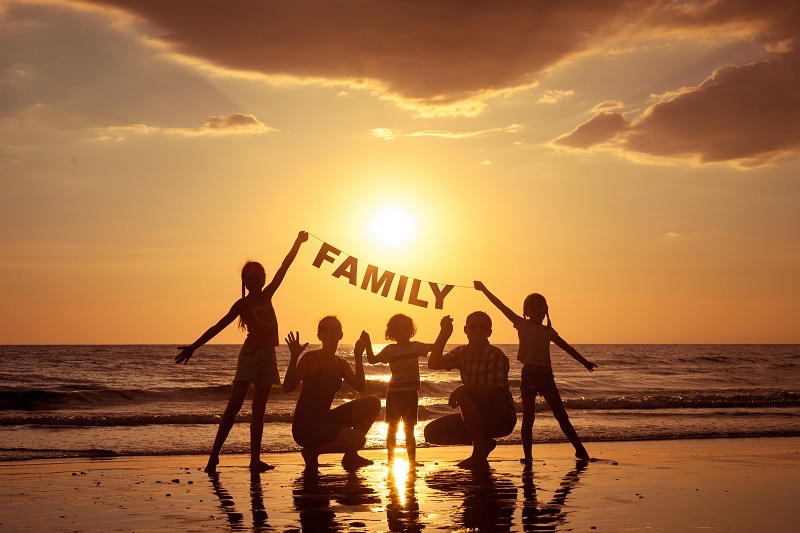
We are more than our DiSC© styles. The way we lead is influenced by our life experiences, education & maturity. Have you considered leadership styles are also shaped by our family dynamics?
Early family experiences serve as our first exposure to working as a team. These experiences re-emerge in our professional lives in how we deal with conflict & communicating with others. Childhood relationships affect our trust of superiors, how we treat direct reports & why we try to please colleagues. We subconsciously flash back to these experiences & mirror the emotions/patterns from decades earlier.
Consider some examples:
1.) Susan was raised by a dominating father. Her mom encouraged her to “keep the peace” & go along with her father’s ideas vs. standing up for her beliefs. Susan starts her first job & is reluctant to disagree with her boss/share ideas for change. She remembers it is best to refrain from challenging authority figures. She is a solid employee who “meets” expectations, but is risk adverse & lacks innovation.
2.) Mark was a year younger than his brother William & they were competitive growing up. William was more outspoken & stronger than Mark. Mark learned to back down to keep conflict & physical fighting to a minimum. He went along with William’s way of doing things. Mark landed an internship in his senior year of college. After graduation, Mark was not selected for a position in the company’s new managers program. Since he avoided difficult conversations & let others take the lead, he was seen as too passive.
3.) Dan’s family discouraged emotional expression. When Dan was upset, his feelings were invalidated. He was told he acted “like a baby.” His father told him to suck it up & said others were worse off. Dan’s father rewarded hard work/good grades. If Dan stayed home sick from school, he knew he had better be diagnosed with something “serious” at the doctor’s office. He works as a manager in a fine-dining establishment. Dan struggles to understand/empathize with employees’ needs (leaving to pick up a sick child from school & taking FMLA to care for an elderly parent). Dan is only focused on the bottom line, which leaves his staff feeling unsupported/undervalued. The team has high turnover.
These examples are ways parenting styles, sibling relationships & family values/expectations manifest in our leadership styles. We can continue to recognize our family dynamics & work to help ourselves address conflict, communicate openly & motivate/empower our direct reports to create high-performing teams.
R U Ready to Achieve offers assessments (DiSC©, Thomas-Kilmann Conflict Mode Instrument (TKI) & 360-degree Feedback) & facilitates leadership workshops/retreats.
R U Interested in Leading Effectively? Reach out today!